




The heritage of the industrial and railway revolution in the Lodzkie Region is not only a part of the region’s history, but also represents enormous tourism potential, offering a fascinating journey through numerous relics of that era. A great amount of factories and museums, historic railways and depots, as well as modern cultural centers, are just some of the attractions drawing crowds of visitors.
Industrial tourism can also support the region’s sustainable development. Transforming declining post-industrial sites into attractions helps preserve cultural heritage while generating economic benefits for local communities and educating visitors about history and the impact of industry. It also allows tourists to understand industrial processes better, which is particularly important in the Lodzkie Region.
Former factories, mines, and industrial plants are being transformed into attractive modern venues, with respect for their history and preservation of the region’s unique character, while also creating new jobs in the tourism sector.
Such initiatives offer a chance to revitalize areas that have lost their original functions and attract tourists seeking authentic and unusual experiences, thereby easing the pressure on more popular destinations.
It is also worth noting that in 2025, the Lodzkie Region joined the long-term international Indus Tour project under the Interreg Europe program. The project focuses on industrial tourism, including both visits to active companies and industrial sites, as well as locations whose history and setting are considered part of the region’s heritage. Its aim is to raise awareness of the potential of industrial tourism, integrate it into the broader tourism offering, and improve the region’s image. The project also strengthens regional and European cooperation networks in this field.
Exploring these post-industrial gems is made easier by the newly established “Industrialne Łódzkie” (Industrial Lodzkie Region) trail. Supporting partners include the Regional Tourist Organization of the Lodzkie Region, Lodzkie Agglomeration Railway, and the Lodz Tourist Organization. The initiative aims to integrate all post-industrial heritage sites in the region into a single route, which will ultimately include landmarks related to railways, textile production, military history, transport, and communications. Currently, the trail features 17 sites, all demonstrating how the region’s industrial heritage can be transformed into a unique tourism offer.
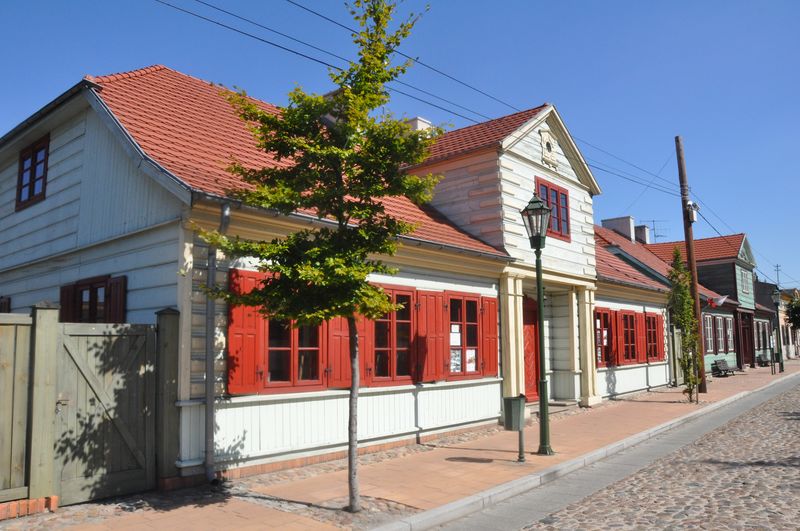
A tour of the trail can begin at the Weaver’s House, located within the City of Weavers Cultural Park and forming part of the Museum of the City of Zgierz. Visitors can purchase unique handicrafts in the souvenir shop.
A great attraction for railway enthusiasts is the 19th-century Roundhouse in Skierniewice, now operating as an open-air museum run by the Polish Association of Railway Enthusiasts. Its main highlight is the rolling stock exhibition, featuring locomotives, carriages, special vehicles, and the largest railway traffic control equipment display in Poland. An additional attraction is the opportunity to ride the historic 110-year-old Rogów–Rawa–Biała narrow-gauge railway connecting these towns.
A fascinating journey into history awaits at the former Winkler textile manufactory in Lipce Reymontowskie, now home to the Władysław Stanisław Reymont Regional Museum. This unique industrial site of rural Poland features fully preserved buildings along with a complex of 19th- and 20th-century machinery. The museum offers a wide range of exhibits related to the history and material culture of Lipce, as well as valuable memorabilia connected to Nobel Prize-winning author Władysław Reymont.
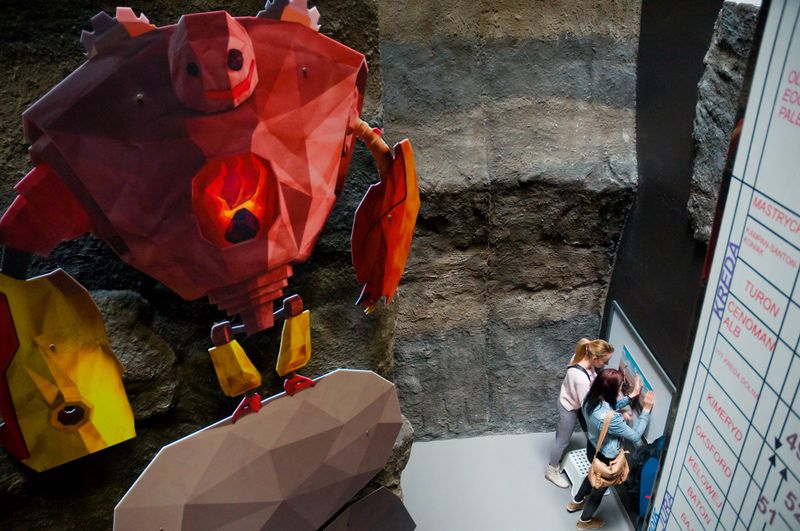
Visitors eager to learn more should explore PGE Titans of Power Exhibition in Bełchatów - a multimedia exhibition dedicated to the formation of lignite, as well as coal extraction technologies and electricity production. A must-see is also the Bełchatów Lignite Mine, the largest open-pit mine in Poland and one of the few man-made structures visible from space.
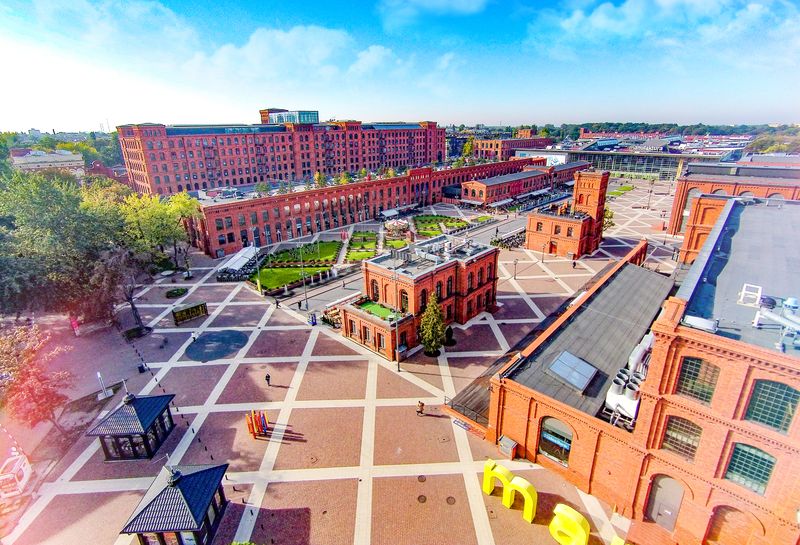
The industrial revolution in Łódź at the turn of the 19th and 20th centuries left behind many unique buildings that now captivate tourists from Poland, Europe, and beyond. The city is home to over 200 historic factories. Visitors can admire both carefully restored architectural gems and spaces that retain their original, raw character. The most recognizable post-industrial landmark, now a symbol of the city, is Manufaktura - a major complex combining entertainment, culture, and art. Part of this revitalized site is the Factory Museum, once a textile printing facility, now showcasing the city’s industrial history, textile production, and the daily lives of factory workers. The former residence of industrial magnate Izrael Poznański now houses the Museum of the City of Lodz.
An ideal destination for an educational visit is the EC1 Science and Technology Center – City of Culture in Lodz. This former power plant, with preserved steam engine elements and a brick façade, hosts various events and exhibitions, including a Planetarium, a Comics Center, and since 2023, the National Center for Film Culture, featuring an exhibition on 130 years of cinematography and a replica of the Lumière brothers’ cinematograph.
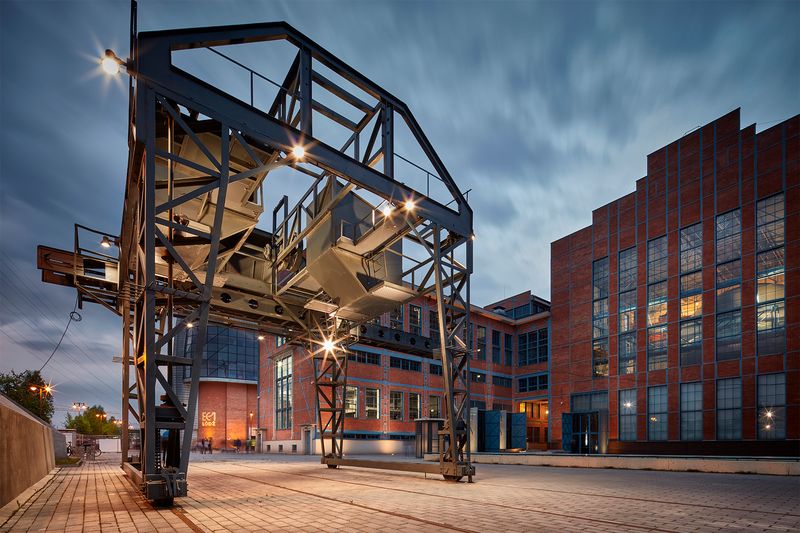
The Księży Młyn Museum also offers a remarkable journey back in time. This intimate site, located in the heart of a once-thriving factory settlement, provides a unique insight into the lives of Lodz residents during the industrial era. All of these locations are part of the “Industrialne Łódzkie” trail.
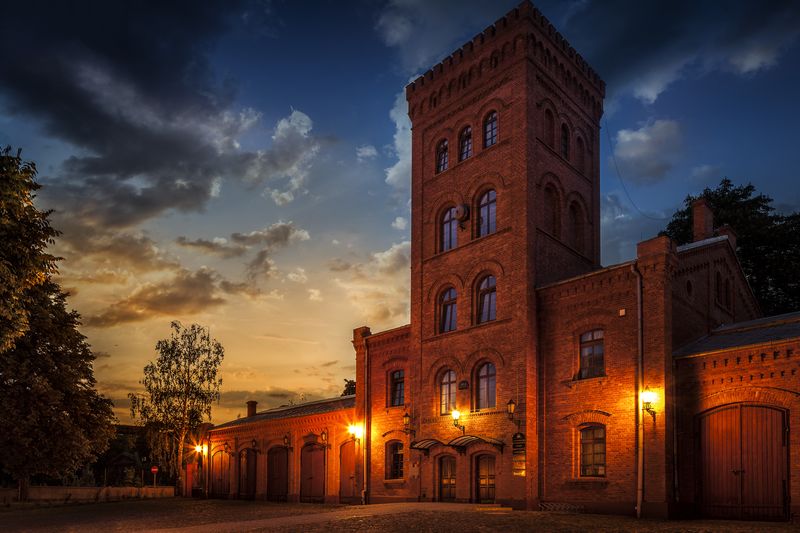
A truly unique place gaining popularity in Lodz is the Underground Cathedral in Stoki, also known as the “underground palace.” It is one of the most mysterious and hard-to-access sites in the city, opened to visitors for the first time during Lodz’s 600th anniversary in 2023. Built in the early 20th century as part of a modern water supply system and designed by the renowned British engineer William Lindley, the reservoirs located on Stoki Hill function as a natural water tower. The nearly 100-meter difference in elevation between the water level and the city’s lowest point has allowed water to flow to homes by gravity for over a century. Each monumental reservoir measures 60 by 60 meters, with vaults supported by 81 columns and 100 domes, forming an extraordinary “forest of bricks” reminiscent of Gothic cathedrals. This unique structure is often compared to the Basilica Cistern in Istanbul, Turkey.
We warmly invite you to explore the industrial heritage of our region!

Nazwa zadania:
„Organizacja, finansowanie oraz zapewnienie warunków odbywania stażu podyplomowego dla lekarzy i lekarzy dentystów”
Przedmiotem zadania zgodnie z art. 15i ust. 1 i 2 ustawy o zawodzie lekarza i lekarza dentysty jest sfinansowanie na terenie województwa łódzkiego w 2025 roku staży podyplomowych lekarzy i lekarzy dentystów.
Zadanie finansowane ze środków Budżetu Państwa przekazanych przez Wojewodę Łódzkiego, w formie dotacji celowej z przeznaczeniem na realizację zadania zleconego z zakresu administracji rządowej.
Całkowita, początkowa wartość zadania/wartość zadania: 61.908.000,00 zł/74.222.294,00 zł